

Our Curriculum
Learning with Purpose
At OCC, our curriculum uses engaging themes and children's interests as a foundation for learning, while intentionally supporting the skills children need at each stage of development. Themes provide a meaningful context for children to explore, ask questions, make connections, and build new skills through hands-on experiences and play.
Our curriculum is also guided by the Wisconsin Model Early Learning Standards (WMELS), which provide a framework for supporting children's development and learning. WMELS focuses on five developmental domains:
Health & Physical Development
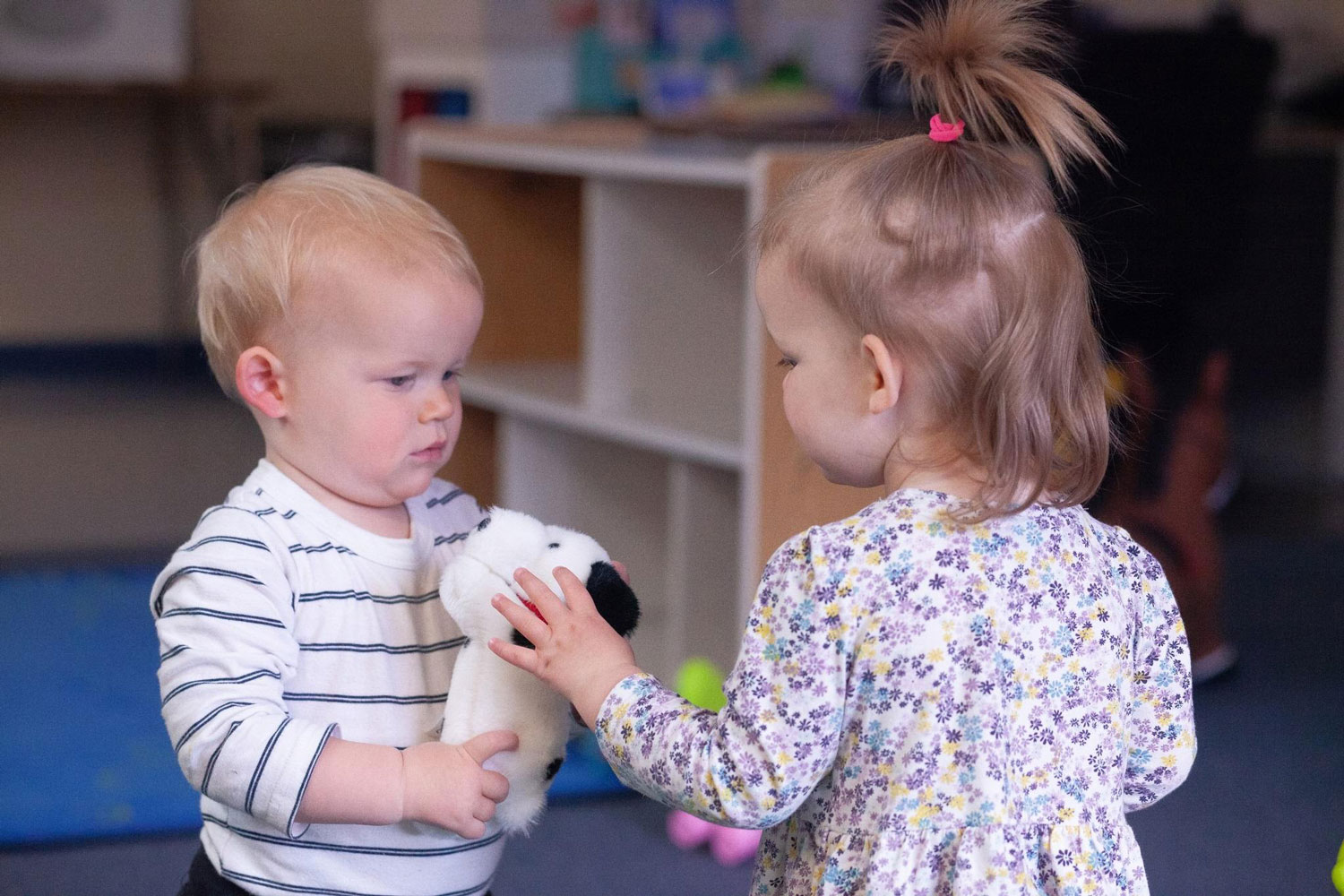
Social & Emotional Development
Language Development & Communication
Approaches to Learning
Cognition & General Knowledge
How Thematic Learning Benefits Children
- Encourages connections and critical thinking: A single theme can bring together math, science, literacy, art, and social learning. For example, a farm theme might include counting animals, exploring animal life cycles, reading farm stories, and creating animal artwork.
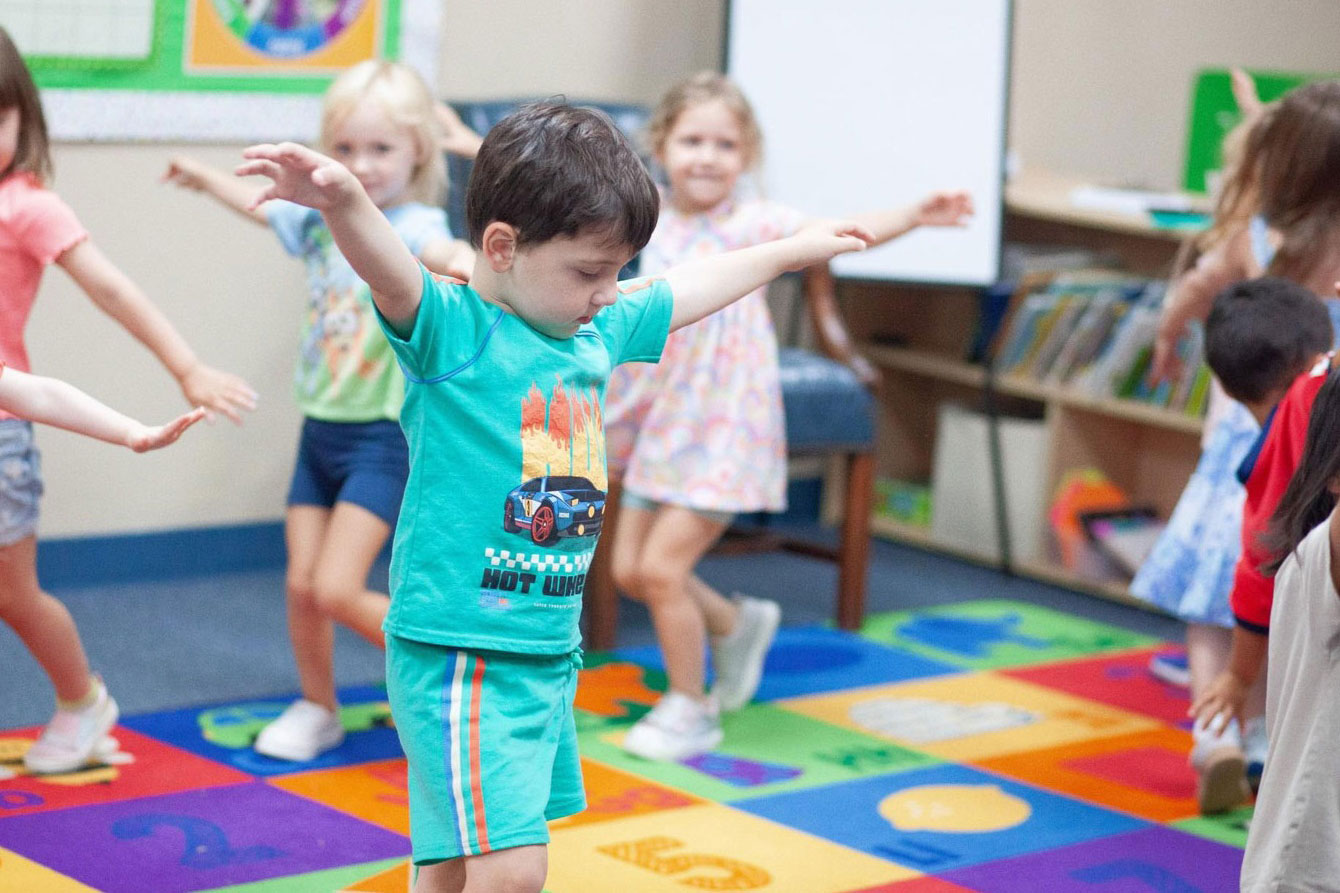
- Builds meaningful, hands-on learning: Children are more likely to remember concepts when they can explore and experience them through play, conversation, movement, and hands-on activities.
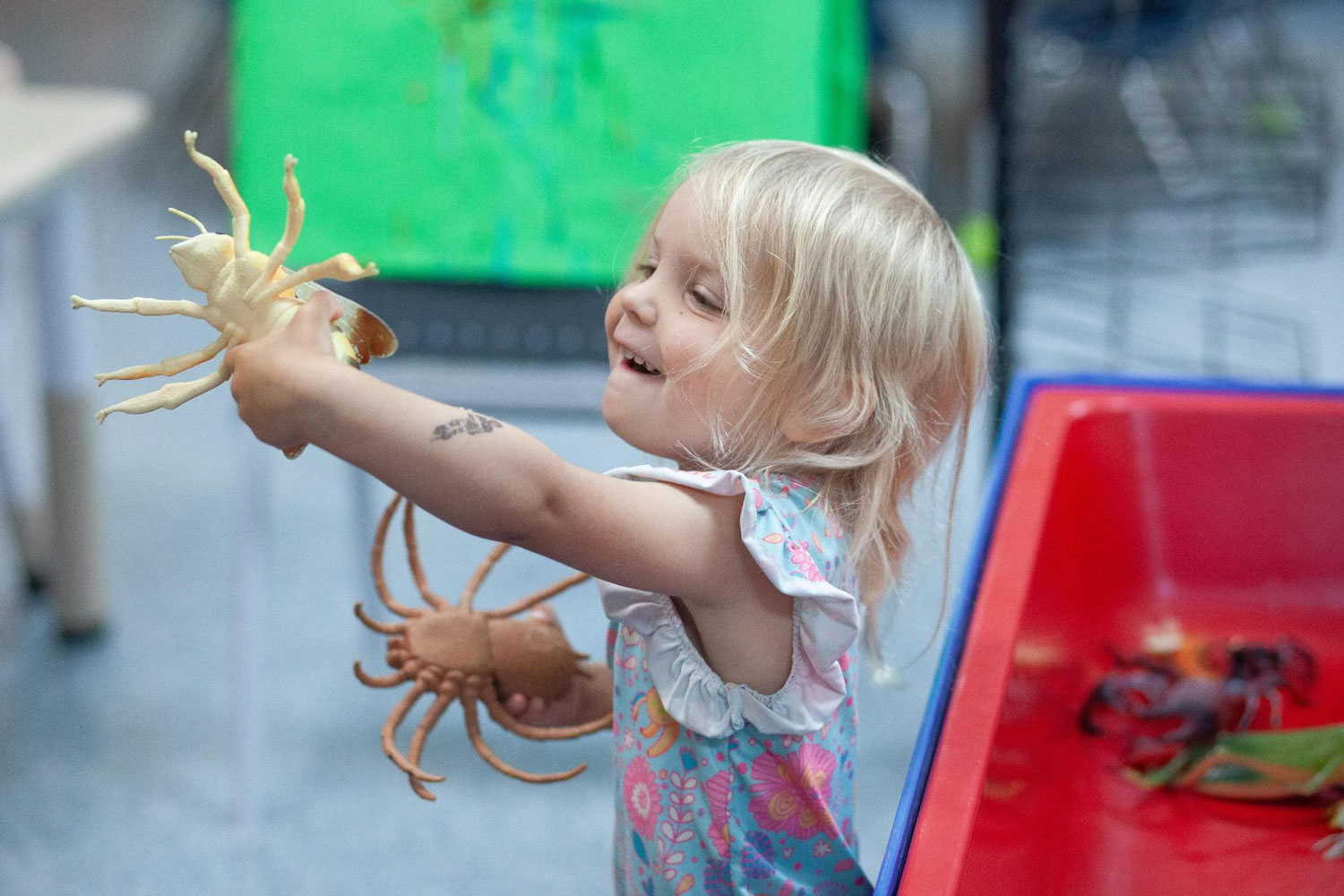
- Sparks curiosity and a love of learning: Themes give children opportunities to investigate topics that naturally interest them, such as dinosaurs, space, animals, or the ocean.
- Supports the whole child: Activities are intentionally planned to support multiple areas of development and align with the skills identified through WMELS.
- Builds language and vocabulary: Children hear and use new vocabulary repeatedly as they talk, read, sing, explore, and play within a theme.
- Encourages creativity and imagination: Open-ended art, dramatic play, building, sensory experiences, and other activities allow children to express ideas and solve problems in their own ways.
How Our Curriculum Supports Teachers
Our curriculum provides teachers with a framework for intentional lesson planning while still allowing them to follow children's interests and developmental needs.
Teachers use themes, observations, and WMELS developmental expectations to:
- Plan meaningful learning experiences
- Choose age-appropriate books, materials, and activities
- Extend children's learning through play
- Observe children's progress and development
- Individualize experiences based on children's needs and interests
- Provide opportunities for children to practice skills across multiple areas of development

Learning Beyond the Theme
A theme is not the goal—it is the vehicle for learning.
Whether children are building a rocket ship, mixing colors, counting farm animals, pretending to run a restaurant, or investigating something they found outside, teachers are looking for opportunities to build skills, ask meaningful questions, encourage problem-solving, and extend learning.
At OCC, we believe children learn best when they are actively engaged, curious, and having fun—and our curriculum is designed to make those learning opportunities intentional.